A Caregivers Job Is Never Done
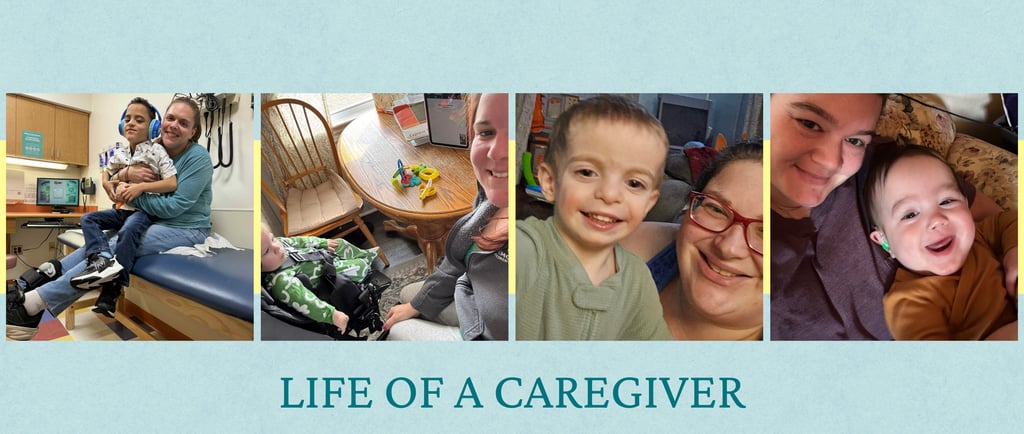
I recently made a comment on someone’s post to show my support, but their partner misunderstood and became upset. They thought I was implying that the author was a single parent, which was not my intention at all.
It got me thinking about the different roles of primary caregivers and secondary caregivers and how significantly distinct they can be.
Let’s compare these two roles.
A primary caregiver often takes on responsibilities far beyond day to day care. They become the nurse, doctor, occupational therapist, physical therapist, speech therapist, DME expert, insurance advisor, school liaison, medical record keeper, and even the Uber driver, among many other roles.
Then there’s the mental load that primary caregivers carry:
Did I administer his medication correctly?
Did I schedule the doctor’s appointment?
Did I order the necessary medical supplies?
He sneezed earlier. I hope he’s not getting sick.
He hasn’t had a bowel movement in a few days. Maybe we need to call the doctor.
The list goes on.
Secondary caregivers often follow the lead of the primary caregiver, and yes, sometimes that is said with a little humor 😂. But in all seriousness, most secondary caregivers understand the fundamentals of care while still relying on the primary caregiver for the details, the updates, the calls, the appointments, and even staying overnight at the hospital.
Often, the primary caregiver ends up being the woman in the relationship. Like in many families, moms tend to handle the calls, appointments, school matters, and activities. This does not mean fathers are absent or incapable. It simply reflects that the primary caregiver role often carries a larger share of the responsibility.
Because of this, having one or two people who truly understand what a primary caregiver is experiencing can sometimes be far more supportive than having hundreds of people around who do not fully grasp the daily mental and emotional load.
Contact
Questions or ideas? Reach out anytime!
info@summerjoydesigns.com
© 2025. All rights reserved.